Lakshmi Bhandar Scheme 2026: Challenges, Criticisms & Solutions
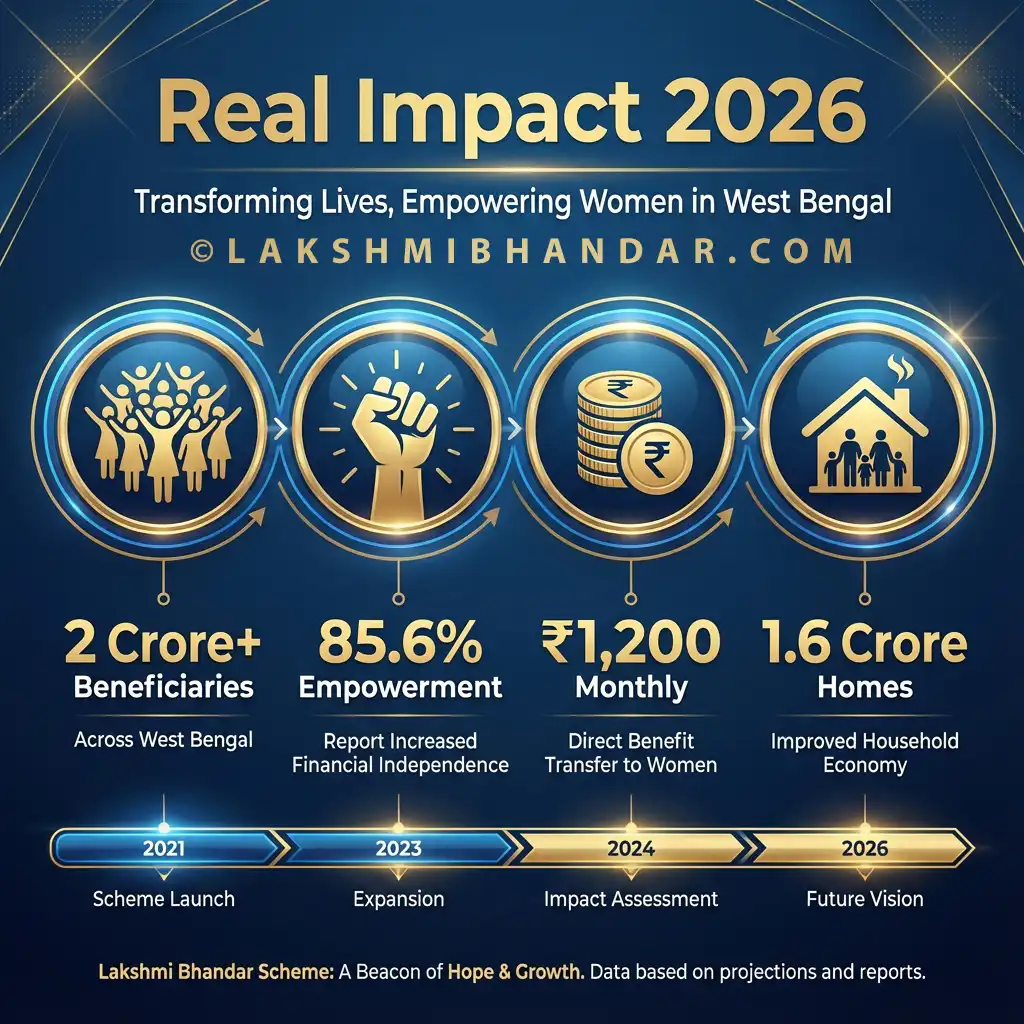
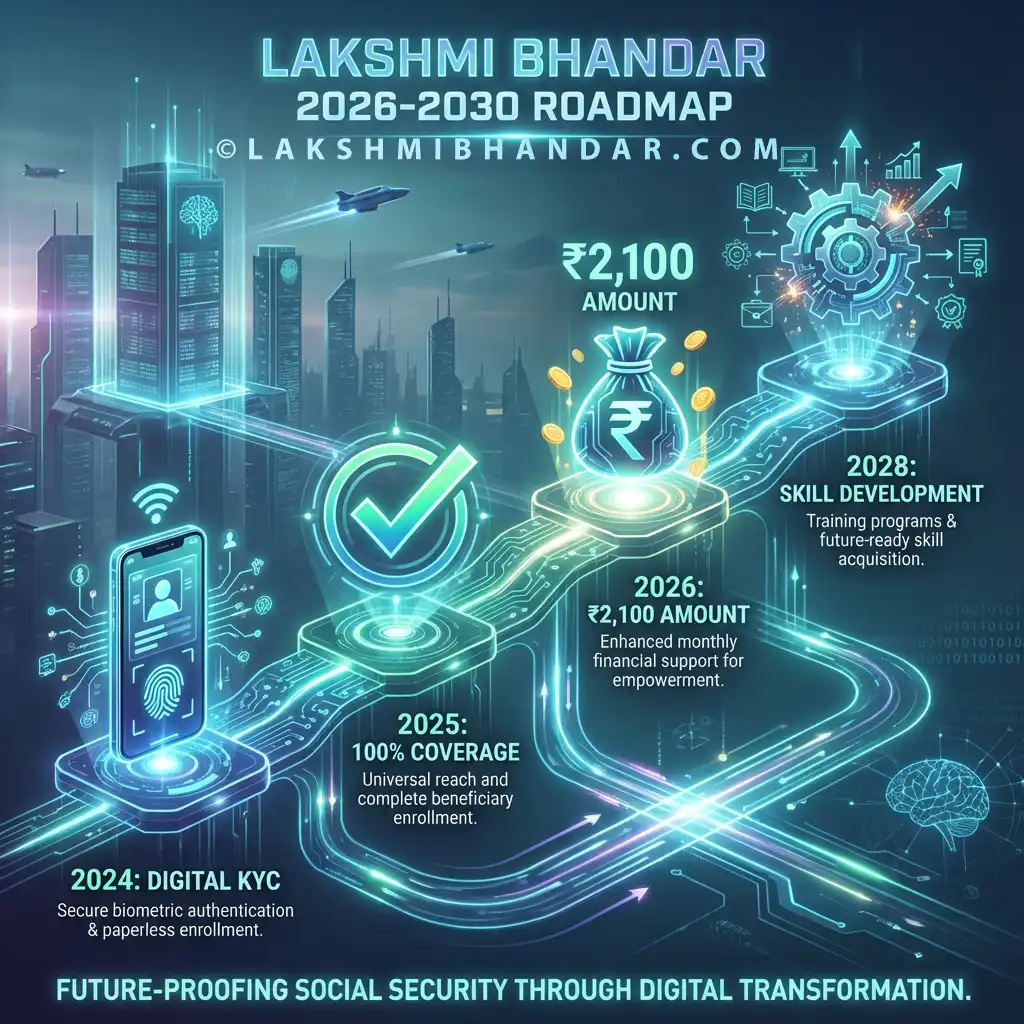
Every major welfare scheme faces hurdles. The Lakshmi Bhandar Scheme, while empowering millions, is no exception. This article explores the financial sustainability, social debates, and administrative challenges facing the scheme in 2026.


1. The Financial Sustainability Question
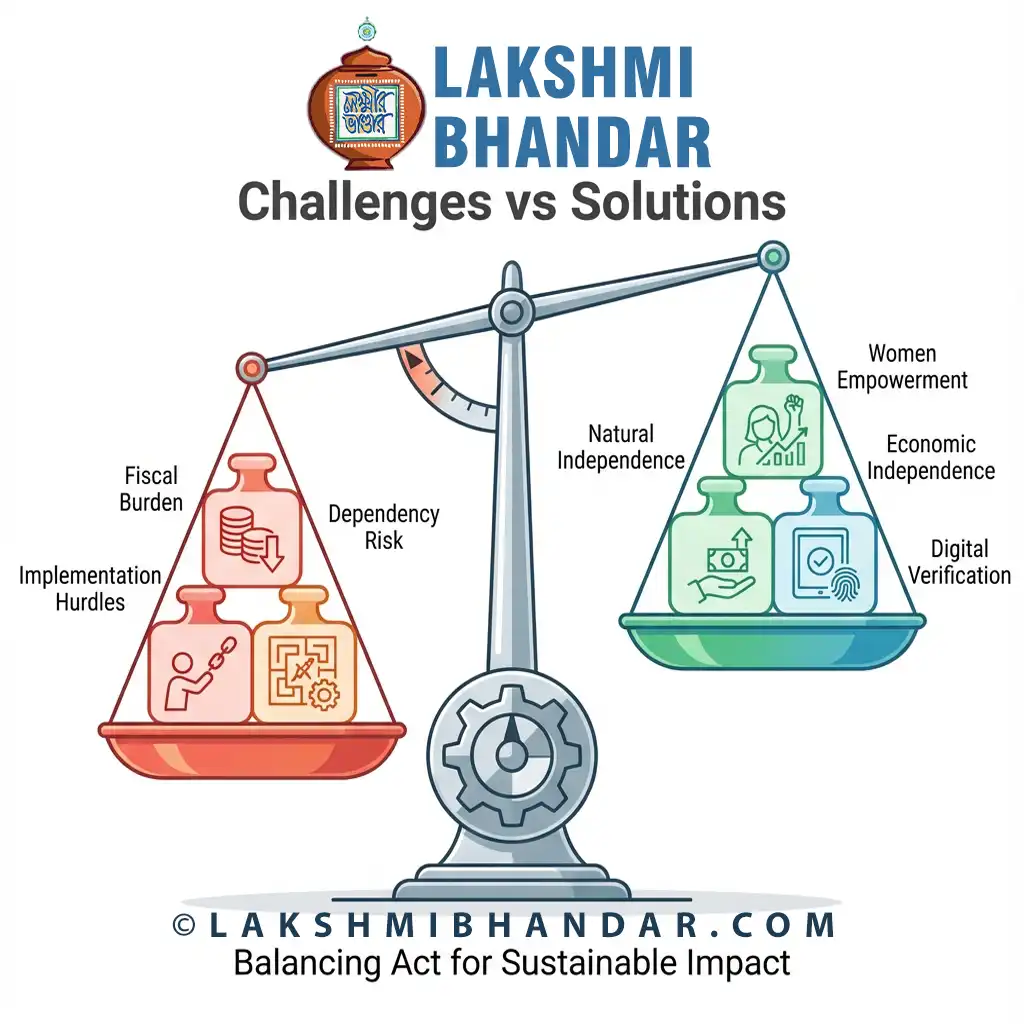
Challenge: High Fiscal Burden
The scheme costs the West Bengal exchequer between ₹11,000 to ₹14,400 crore annually, representing about 6% of the state's total revenue. With the 2026 increase in amounts, critics worry this could strain budgets for other development projects like infrastructure.
Government's Solution
The state views this as an investment in human capital. By putting money directly into women's hands, it boosts local economies through increased consumption, creating a positive multiplier effect that eventually generates tax revenue.
2. Empowerment vs. Dependency
Challenge: Risk of Dependency
A common critique is that cash handouts might discourage self-employment. Critics argue that instead of giving "fish," the government should provide "fishing rods" (jobs).
Reality Check
For many rural women, this grant is not a replacement for work but a safety net. It provides the initial capital to start small businesses (like selling vegetables or sewing) or pay for children's tuition, essentially acting as a stepping stone to independence.
3. Implementation Hurdles
Challenge: Verification & Targeting
Managing a database of 2 crore women is massive. Issues include:
- Fake applications.
- Duplicate entries.
- Eligible women being left out due to document errors (Aadhaar mismatch).
Digital Solutions
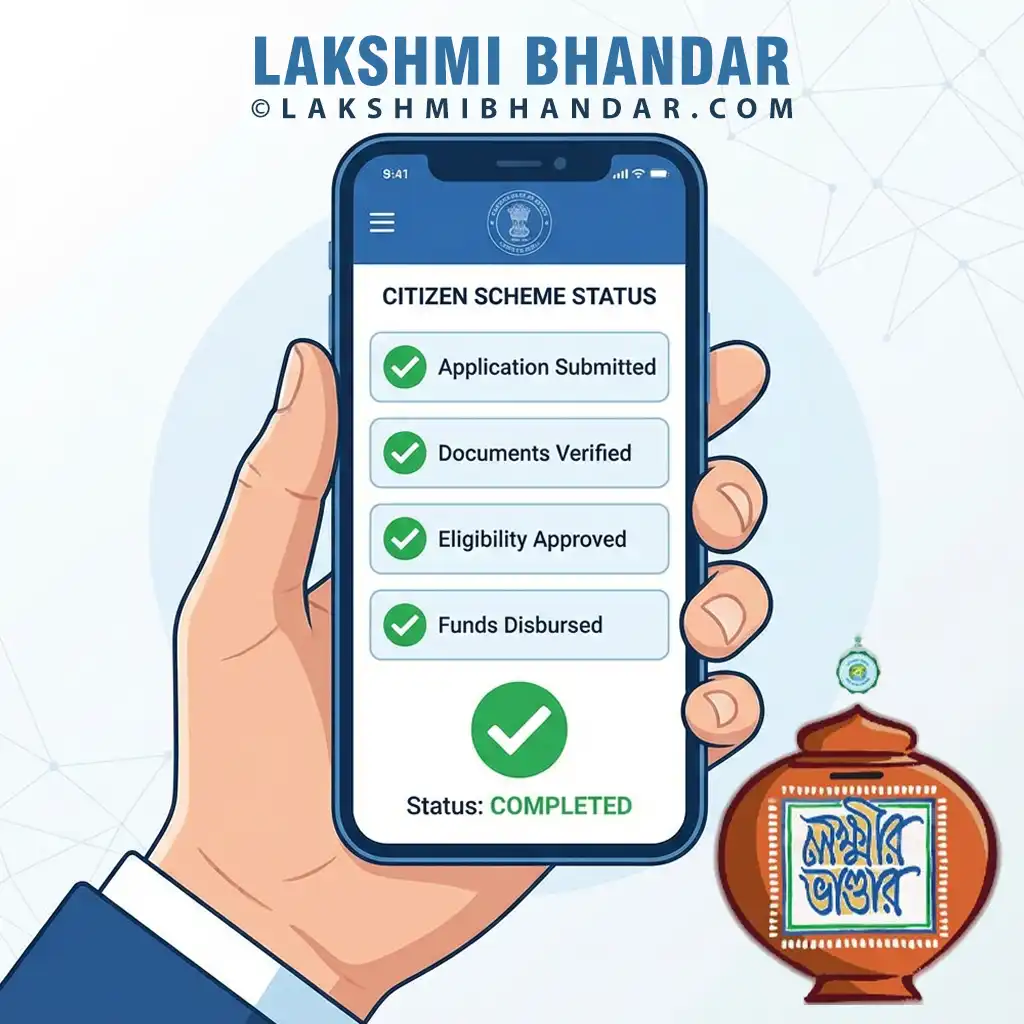
The introduction of the "Lakshmi Bhandar Portal" with Aadhaar-based e-KYC has massively reduced fraud. The "Duare Sarkar" camps provide on-ground support to fix document errors manually.